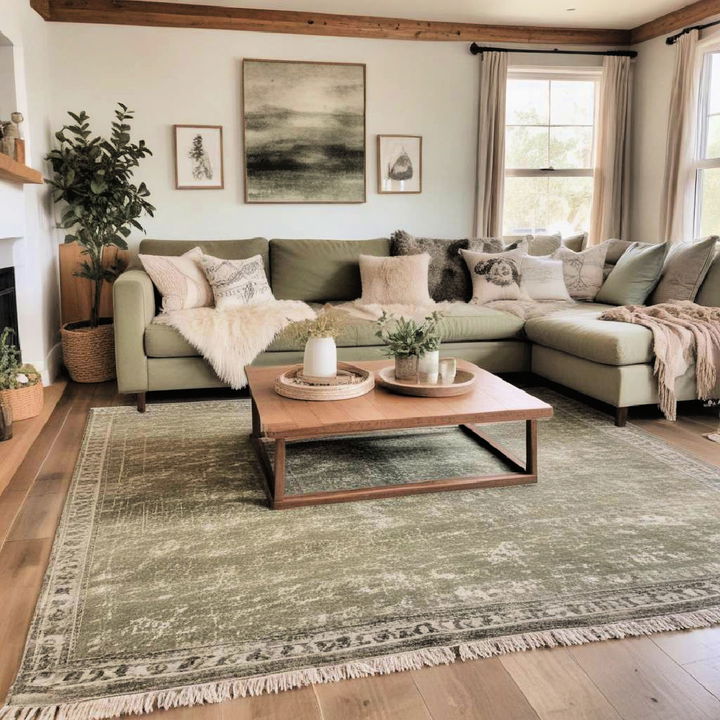

Popular hardwood floor rugs have become a defining element in modern home design, blending durability with aesthetic elegance. These rugs are more than just floor coverings—they serve as statement pieces that elevate interior style while protecting valuable hardwood floors from scratches, moisture, and daily wear. Whether you’re renovating a living room, updating a hallway, or refreshing a bedroom, choosing the right hardwood floor rug enhances both function and visual harmony. With countless materials, patterns, and finishes available, selecting a *popular hardwood floor rug for home style* requires understanding how texture, color, and craftsmanship interact with your space’s architecture and personal taste.
Understanding the Role of Hardwood Floor Rugs in Home Design
A well-chosen hardwood floor rug anchors a room’s design by defining zones, softening hard surfaces, and adding warmth underfoot. Unlike carpets, hardwood floor rugs are engineered to complement the natural grain and finish of wooden floors, preserving their beauty while offering practical benefits. They protect subfloors from damage, reduce noise, and improve comfort—especially in high-traffic areas. More than protection, they act as design anchors that tie together furniture, lighting, and decor. In homes where hardwood is central, a matching or complementary rug creates continuity, making spaces feel larger, cozier, and more intentional.
When evaluating options, consider how the rug interacts with light, scale, and existing design elements. A rug too small may get lost; one too large can overwhelm. The right choice balances proportion, pattern, and material to reflect both lifestyle needs and aesthetic goals.
| Feature | Importance | Recommendation |
|---|---|---|
| Material | Durability and maintenance | Opt for water-resistant hardwood fibers or synthetic blends |
| Pattern & Design | Visual cohesion with home style | Choose geometric, herringbone, or solid tones based on existing decor |
| Size & Proportion | Space balance and impact | Measure room dimensions; aim for 60–80% coverage for optimal effect |
| Texture & Pile | Comfort and tactile appeal | Low-pile for hallways, medium for living areas, no-pile for minimalist spaces |
| Material | Durability and maintenance | Opt for water-resistant hardwood fibers or synthetic blends |
| Pattern & Design | Visual cohesion with home style | Choose geometric, herringbone, or solid tones based on existing decor |
| Size & Proportion | Space balance and impact | Measure room dimensions; aim for 60–80% coverage for optimal effect |
| Texture & Pile | Comfort and tactile appeal | Low-pile for hallways, medium for living areas, no-pile for minimalist spaces |
Hardwood floor rugs come in a variety of materials, each offering distinct advantages. Solid wood fibers provide natural warmth and timeless appeal, while synthetic blends deliver enhanced resistance to stains and moisture—ideal for families or humid environments. Natural fibers like sisal or jute add organic texture but require careful cleaning. Synthetic options such as nylon or polyester mimic the look of wood with superior longevity and ease of maintenance. Selecting the right material depends on foot traffic, pet presence, and desired aesthetic—whether you prefer the rustic charm of natural textures or the low-maintenance benefits of modern composites.
Patterns play a crucial role in defining a room’s mood. Geometric designs bring structure and modernity, perfect for contemporary or minimalist interiors. Herringbone patterns add subtle sophistication and visual depth, often enhancing spacious rooms. Solid colors offer versatility, easily matching any decor palette, while subtle herringbone or herringbone-inspired motifs introduce gentle movement without overwhelming. For those seeking warmth and coziness, textured or low-pile rugs with soft edges create inviting spaces, especially in bedrooms or living areas. Matching the pattern scale to room size ensures balance—large patterns suit expansive spaces, while smaller motifs work best in intimate settings.
Color selection directly influences perception of space and atmosphere. Neutral tones like warm whites, soft grays, and natural browns harmonize with most interiors, offering timeless elegance and easy pairing. Bold hues such as deep greens, rich reds, or charcoal blacks make strong statements, ideal for accent walls or statement rooms. Earthy palettes ground spaces, complementing natural wood tones and creating serene, organic environments. When choosing color, consider natural lighting—sunlight can shift hues throughout the day, affecting how the rug appears in different moments. Testing fabric swatches in your space helps confirm the final effect before committing.
Installation method also impacts performance and longevity. Carpet-backed rugs offer plush comfort and sound absorption but require regular vacuuming and professional cleaning. Stretch or direct-mount rugs secure tightly to subfloors, minimizing movement and wear—excellent for high-traffic zones. Adhesive-backed options simplify DIY installation but may degrade over time with heavy use. Proper preparation—cleaning the floor thoroughly and ensuring a flat surface—ensures maximum durability and prevents premature wear. Always follow manufacturer guidelines for care and maintenance to preserve both appearance and structural integrity.
Note: Always measure your space carefully before purchasing—aim for 60–80% coverage to avoid a disjointed look and ensure the rug complements rather than overwhelms the room.
Popular hardwood floor rugs thrive when they align with both functional needs and personal expression. They protect floors, define style, and enhance comfort, making them essential in homes where hardwood defines the architectural character. By thoughtfully selecting material, pattern, size, and color, homeowners create cohesive, inviting spaces that reflect individual taste while honoring the enduring beauty of natural wood. The right rug transforms a floor into a focal point—where durability meets design in perfect harmony.
Related Terms:
- washable rugs for hardwood floors
- inexpensive rugs for hardwood floors
- area rugs for hardwood floors
- rugs on hardwood floors pictures
- do rugs ruin hardwood floors
- rugs vs felt protect hardwood