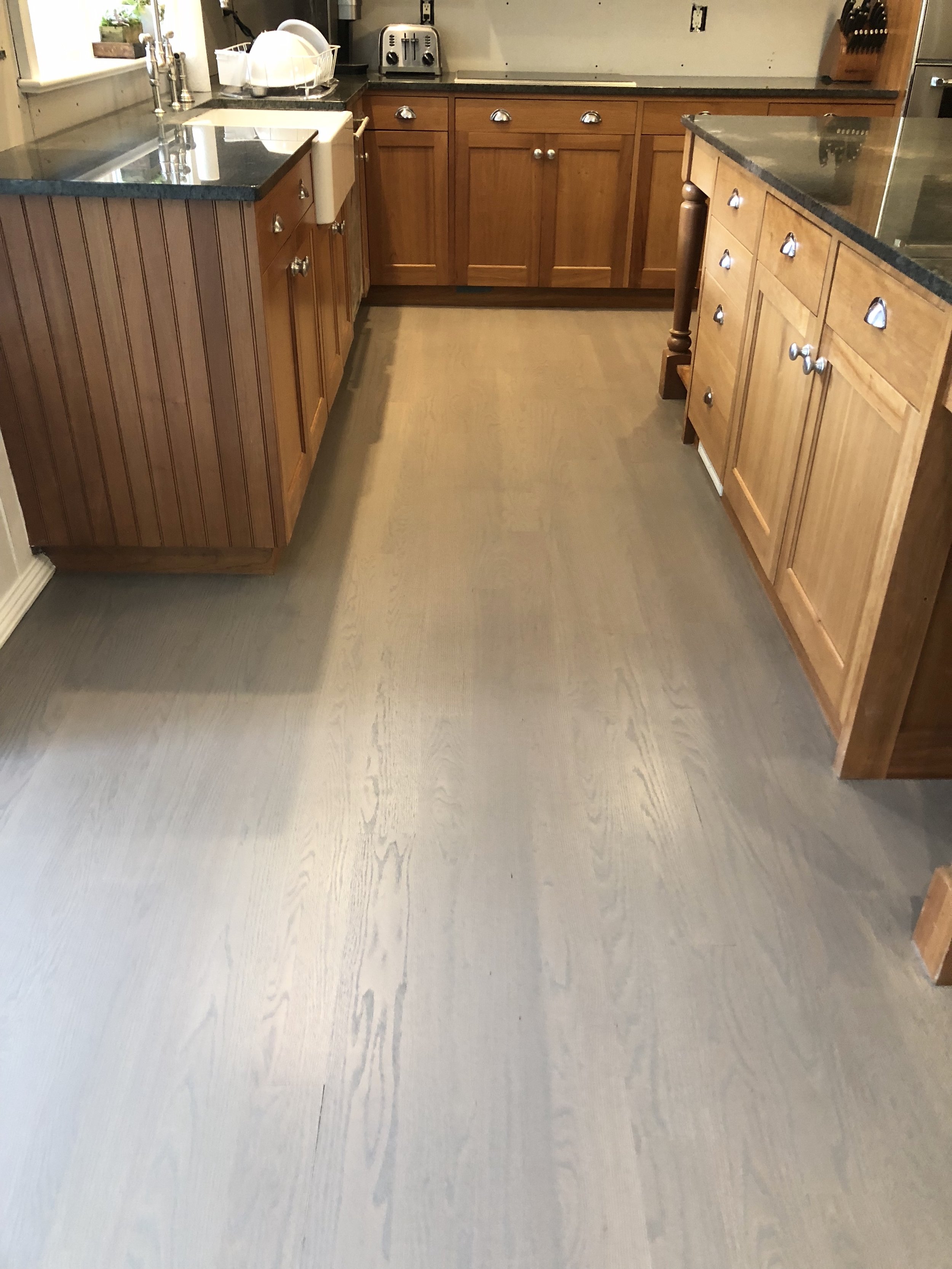

Choosing the top oak hardwood floor is one of the most impactful decisions you can make when renovating or building a home. Oak stands out for its timeless beauty, exceptional durability, and ability to elevate any interior space—whether you prefer the warm, rich tones of white oak or the deeper, more pronounced grain of red oak. With centuries of craftsmanship behind it, oak hardwood remains a top choice among homeowners seeking both style and longevity. This guide explores the best options available, helping you identify the perfect fit for your lifestyle, budget, and design vision.
The Enduring Appeal of Oak Hardwood Floors
Oak hardwood floors have captivated builders and homeowners for generations, and for good reason. Their natural resistance to wear makes them ideal for high-traffic areas, while their classic aesthetic complements a wide range of interior styles—from rustic farmhouse to sleek modern minimalism. Unlike engineered wood, real oak boasts superior density and stability, reducing the risk of warping or cupping over time. Moreover, oak’s unique grain patterns add character and depth, transforming every step into a subtle visual experience. Whether you’re drawn to the bright, airy look of white oak or the bold, warm hues of red oak, these materials deliver both performance and elegance that only time enhances.
| Oak Type | Color & Grain | Durability Rating (1–10) | Best For |
|---|---|---|---|
| White Oak | Light golden tones with prominent, open grain | 9.5 | High-traffic living spaces, kitchens, entryways |
| Red Oak | Warm reddish-brown with tighter, finer grain | 8.8 | Modern homes, dining rooms, accent floors |
| Reclaimed Oak | Weathered, rich browns with historical patina | 8.5 | Industrial lofts, boutique spaces, character-driven designs |
Oak hardwood floors resist moisture better than many alternatives, making them especially suitable for homes in humid climates or areas prone to spills and foot traffic.
When selecting the top oak hardwood floor, consider how each type performs in daily life. White oak excels in durability and is less prone to water damage, making it ideal for kitchens and hallways. Red oak offers a bolder appearance and works beautifully in contemporary settings where a warm, inviting tone is desired. Reclaimed oak brings sustainability and a story to your space, appealing to eco-conscious buyers who value history and uniqueness. Understanding these distinctions helps narrow down choices to those that truly align with your needs.
Note: Always request samples to assess how light affects the oak’s color and grain in your home’s environment before finalizing a decision.
Beyond type, the finish plays a crucial role in both protection and aesthetics. Common finishes include oil-based stains that enhance natural grain, water-based sealants for easier maintenance, and semi-gloss coatings for high shine and stain resistance. Each finish impacts longevity and cleaning ease—oil finishes deepen warmth over time but require periodic reapplication, while water-based options offer quick drying and low odor. Choosing the right finish ensures your oak floor remains beautiful and functional for decades.
Pro Tip: A professional installation preserves the integrity of oak planks, preventing gaps and ensuring even wear across the surface.
The installation method also influences performance and appearance. Solid hardwood is cut from single tree trunks, offering maximum strength and authenticity but requiring careful cutting to maintain consistent width. Engineered oak layers combine hardwood veneers over stable cores, reducing expansion and contraction while retaining the look of solid wood. For large or uneven spaces, floating or tongue-and-groove systems provide flexibility and a seamless finish. Selecting the proper installation technique supports long-term stability and enhances the floor’s natural beauty.
Note: Proper subfloor preparation—leveling and moisture control—is essential to prevent future issues like buckling or uneven wear in oak hardwood floors.
Cost varies by type, thickness, and finish, but investing in quality oak pays off through extended lifespan and reduced maintenance. White oak typically commands a higher price due to its durability and scarcity, while reclaimed oak may involve additional labor for restoration. Budget considerations should balance initial expense with long-term value—choosing a floor that lasts longer reduces replacement costs and environmental impact.
Note: Maintenance routines such as regular sweeping, avoiding harsh chemicals, and periodic refinishing extend the life of oak floors significantly.
Whether you prioritize timeless elegance, bold character, or sustainable reuse, the top oak hardwood floors available today deliver performance and beauty that stand the test of time. By understanding grain patterns, finish options, installation methods, and maintenance needs, you empower yourself to select a floor that enhances both function and feel in your home. With thoughtful selection, your oak hardwood floor becomes more than a surface—it becomes a lasting centerpiece of comfort and style.
Related Terms:
- red oak hardwood flooring
- oak hardwood flooring reviews
- oak flooring waterproof
- oak hardwood flooring wet areas
- hardwood oak flooring
- white oak hardwood flooring