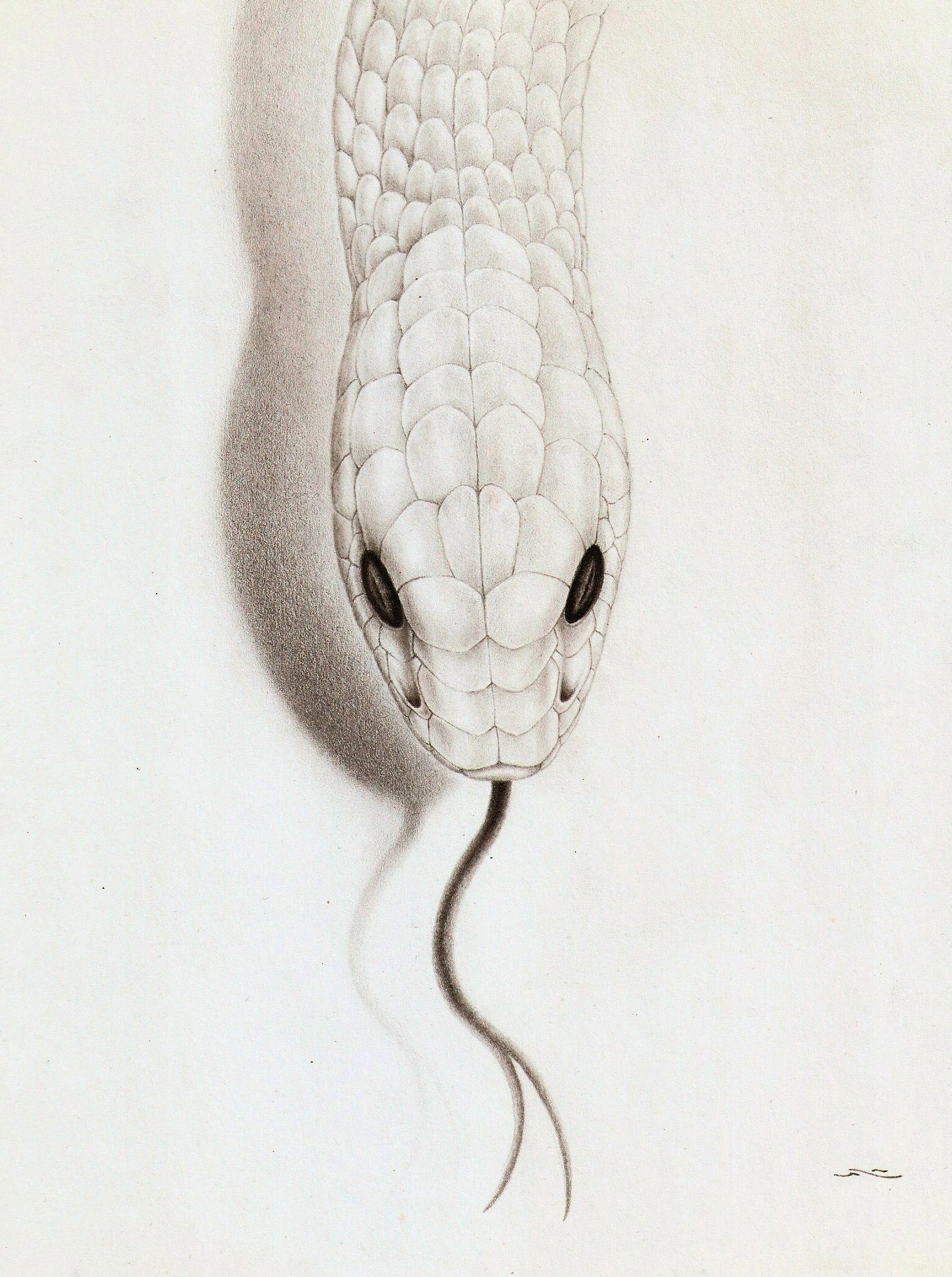

Snakes have long captivated human imagination with their sleek forms and mysterious allure. From ancient mythology to modern art, drawings of snakes have been a recurring motif, symbolizing everything from wisdom and transformation to danger and fear. This fascination extends to various artistic mediums, including paintings, sculptures, and digital art. However, the art of drawing snakes offers a unique challenge and reward, allowing artists to explore the intricate details and fluid movements of these reptiles.
The Art of Drawing Snakes
Drawing snakes requires a keen eye for detail and an understanding of their anatomy. Snakes are elongated, limbless reptiles with a distinctive body structure that includes a long, flexible spine and a series of interlocking vertebrae. Their scales, which come in various patterns and textures, add to the complexity of capturing their form accurately.
To begin, it's essential to study the anatomy of snakes. Familiarize yourself with the following key features:
- Head: The head is triangular and distinct from the body, with a pair of eyes and nostrils.
- Body: The body is cylindrical and tapers towards the tail. It is covered in scales that can be smooth, keeled, or granular.
- Tail: The tail is usually thinner than the body and can be rounded or pointed.
- Scales: Scales vary in shape and size, and their patterns can be used to identify different species.
Materials and Tools for Drawing Snakes
Before you start drawing, gather the necessary materials and tools. Here are some essentials:
- Paper: Use high-quality drawing paper or sketchbook with a smooth surface.
- Pencils: A set of graphite pencils with varying hardness (e.g., 2H, HB, 2B, 4B) for different shading and detailing.
- Eraser: A kneaded eraser for lifting graphite and a plastic eraser for precise corrections.
- Sharpener: A good-quality pencil sharpener to keep your pencils pointed.
- Reference Materials: Photos, books, or online resources with drawings of snakes for inspiration and accuracy.
Step-by-Step Guide to Drawing Snakes
Follow these steps to create a detailed and realistic drawing of a snake:
Step 1: Basic Shapes and Proportions
Begin by sketching the basic shapes and proportions of the snake. Use simple geometric shapes like ovals and cylinders to outline the body. Pay attention to the snake's overall form and the way it coils or stretches.
Step 2: Adding Details
Once you have the basic shape, start adding details. Draw the head with its distinctive features, including the eyes, nostrils, and mouth. Sketch the scales along the body, ensuring they follow the natural curves and contours. Pay special attention to the patterns and textures of the scales, as they can vary greatly among different species.
Step 3: Shading and Highlights
Use shading to give your drawing depth and dimension. Identify the light source and shade the areas that would be in shadow. Use hatching, cross-hatching, and stippling techniques to create a range of tones. Add highlights to the areas where the light would reflect off the snake's scales, such as the top of the head and the raised scales.
Step 4: Final Touches
Review your drawing for any areas that need refinement. Add final details like the tongue, which is often forked, and any additional patterns or markings on the snake's body. Erase any unnecessary lines and clean up the drawing.
📝 Note: Practice is key to improving your snake drawing skills. Study real snakes or high-quality drawings of snakes to understand their anatomy and movement better.
Common Mistakes to Avoid
When drawing snakes, there are several common mistakes to avoid:
- Incorrect Proportions: Ensure the head, body, and tail are proportionate. Snakes have elongated bodies, so avoid making the head too large or the tail too short.
- Overly Rigid Lines: Snakes are flexible and fluid. Avoid drawing stiff, rigid lines that do not capture their natural movement.
- Inconsistent Scales: Scales should be consistent in size and pattern. Avoid random or inconsistent scale placement.
- Lack of Shading: Shading is crucial for adding depth and dimension. Avoid flat, unshaded drawings that lack realism.
Inspiration from Famous Drawings of Snakes
Throughout history, many artists have created stunning drawings of snakes. Studying these works can provide valuable insights and inspiration. Here are a few notable examples:
One of the most famous drawings of snakes is Albrecht Dürer's "Young Hare." While not a snake, Dürer's meticulous attention to detail and realistic rendering of the hare's fur can be applied to drawing snakes. His use of shading and highlights creates a sense of depth and texture that can be emulated in snake drawings.
Another influential artist is Leonardo da Vinci, known for his anatomical studies. His detailed sketches of snakes and other reptiles showcase his deep understanding of anatomy and movement. Da Vinci's work emphasizes the importance of studying the subject matter thoroughly before beginning to draw.
In contemporary art, artists like Robert Bateman and John James Audubon have created stunning wildlife drawings, including snakes. Their work often features intricate details and a keen eye for natural patterns and textures.
Digital Tools for Drawing Snakes
In addition to traditional drawing tools, digital art software offers a range of features that can enhance your snake drawings. Programs like Adobe Photoshop, Procreate, and Corel Painter provide tools for creating detailed and realistic drawings. Here are some benefits of using digital tools:
- Layering: Digital layers allow you to work on different parts of the drawing separately, making it easier to make adjustments.
- Brush Variety: A wide range of brushes and textures can be used to create different effects, from smooth shading to rough, textured lines.
- Undo Function: The ability to undo mistakes and experiment without fear of ruining the drawing.
- Color Options: Digital tools offer a vast palette of colors and gradients, allowing for more vibrant and detailed drawings.
When using digital tools, it's essential to practice and experiment with different techniques to find what works best for you. Start with basic sketches and gradually add details and shading. Use reference materials to ensure accuracy and realism in your drawings of snakes.
📝 Note: Digital tools can be a powerful addition to your artistic repertoire, but they should not replace the fundamental skills of traditional drawing. Practice both methods to develop a well-rounded skill set.
Exploring Different Styles of Snake Drawings
Snake drawings can be created in various styles, from realistic and detailed to abstract and stylized. Exploring different styles can help you find your unique artistic voice and expand your skills. Here are some styles to consider:
Realistic Style
Realistic drawings aim to capture the subject matter as accurately as possible. This style requires a deep understanding of anatomy, shading, and texture. Use reference materials and study real snakes to achieve a high level of detail and realism in your drawings of snakes.
Cartoon Style
Cartoon-style drawings are characterized by exaggerated features and simplified forms. This style is often used in children's books and animations. When drawing snakes in a cartoon style, focus on capturing the essence of the snake's form and movement while adding a touch of whimsy and humor.
Abstract Style
Abstract drawings focus on shapes, colors, and textures rather than realistic representation. This style allows for more creative freedom and experimentation. When creating abstract drawings of snakes, use geometric shapes, bold colors, and unique textures to convey the snake's form and movement in a non-traditional way.
Stylized Style
Stylized drawings combine elements of realism and abstraction to create a unique and distinctive look. This style often features simplified forms, exaggerated features, and a focus on pattern and texture. When drawing snakes in a stylized style, experiment with different techniques and materials to create a drawing that is both recognizable and unique.
Drawing Snakes in Different Mediums
Snakes can be drawn using various mediums, each offering unique challenges and rewards. Here are some popular mediums for drawing snakes:
Pencil
Pencils are a versatile and accessible medium for drawing snakes. They allow for a range of tones and textures, from light shading to dark, bold lines. Use different pencil grades (e.g., 2H, HB, 2B, 4B) to achieve a variety of effects. Pencils are ideal for detailed and realistic drawings of snakes.
Charcoal
Charcoal is a great medium for creating bold, dramatic drawings. It allows for a wide range of tones and textures, from soft, smudgy shading to sharp, defined lines. Charcoal is particularly effective for capturing the dark, sleek forms of snakes. Use a combination of charcoal sticks and pencils to achieve different effects.
Ink
Ink is a versatile medium that can be used to create both detailed and stylized drawings. It allows for precise lines and bold contrasts, making it ideal for capturing the intricate details of snake scales and patterns. Use different ink pens and brushes to achieve a variety of effects, from fine, delicate lines to thick, bold strokes.
Watercolor
Watercolor is a beautiful medium for creating soft, delicate drawings. It allows for a range of colors and textures, from light washes to rich, vibrant hues. Watercolor is particularly effective for capturing the subtle colors and patterns of snake scales. Use a combination of brushes and techniques to achieve different effects, from smooth, blended colors to textured, layered washes.
Digital Art
Digital art offers a range of tools and techniques for creating detailed and realistic drawings. Use digital brushes, layers, and color palettes to achieve a variety of effects, from smooth shading to textured lines. Digital art is ideal for creating drawings of snakes with intricate details and vibrant colors.
Drawing Snakes in Motion
Capturing the movement of snakes in your drawings can add a dynamic and engaging element to your art. Snakes are known for their fluid, graceful movements, which can be challenging to depict accurately. Here are some tips for drawing snakes in motion:
Study Real Snakes
Observe real snakes or high-quality videos to understand their movement patterns. Pay attention to how they coil, uncoil, and slither. Notice the way their bodies curve and twist as they move.
Use Gesture Drawings
Gesture drawings are quick sketches that capture the essence of a subject's movement. Use gesture drawings to practice capturing the fluid motion of snakes. Focus on the overall form and movement rather than detailed anatomy.
Experiment with Different Poses
Draw snakes in various poses to understand their range of motion. Experiment with different angles and perspectives to capture the dynamic nature of their movements. Use reference materials to ensure accuracy and realism in your drawings of snakes.
Use Dynamic Lines
Dynamic lines can convey a sense of movement and energy in your drawings. Use flowing, curved lines to capture the fluid motion of snakes. Avoid stiff, rigid lines that do not capture their natural movement.
Drawing Snakes in Different Environments
Snakes inhabit a variety of environments, from dense forests to arid deserts. Drawing snakes in their natural habitats can add depth and context to your art. Here are some tips for drawing snakes in different environments:
Forest Environments
Forests are lush, green environments with dense foliage and varied textures. When drawing snakes in a forest setting, pay attention to the details of the trees, leaves, and undergrowth. Use a combination of colors and textures to create a realistic and immersive scene. Consider the snake's camouflage and how it blends into its surroundings.
Desert Environments
Deserts are arid, barren landscapes with sparse vegetation and harsh, rocky terrain. When drawing snakes in a desert setting, focus on the textures and colors of the sand, rocks, and cacti. Use a limited color palette to capture the stark beauty of the desert. Consider the snake's adaptations to its environment, such as its coloration and behavior.
Water Environments
Water environments, such as rivers, lakes, and marshes, offer unique challenges and opportunities for drawing snakes. When drawing snakes in a water setting, pay attention to the reflections and ripples on the water's surface. Use a combination of colors and textures to create a realistic and dynamic scene. Consider the snake's behavior in water, such as swimming or hunting.
Drawing Snakes with Other Animals
Snakes often interact with other animals in their natural habitats. Drawing snakes with other animals can add interest and complexity to your art. Here are some tips for drawing snakes with other animals:
Predator-Prey Interactions
Snakes are both predators and prey in their ecosystems. Drawing snakes in predator-prey interactions can create dynamic and engaging scenes. Pay attention to the body language and behavior of both the snake and its prey or predator. Use reference materials to ensure accuracy and realism in your drawings of snakes.
Symbiotic Relationships
Some animals have symbiotic relationships with snakes, such as birds that clean their scales or insects that feed on their parasites. Drawing snakes in symbiotic relationships can add a unique and interesting element to your art. Pay attention to the details of the interaction and the behavior of both animals.
Group Behavior
Some snake species are social and live in groups. Drawing snakes in group behavior can create a sense of community and interaction. Pay attention to the dynamics of the group and the individual behaviors of each snake. Use reference materials to ensure accuracy and realism in your drawings of snakes.
Drawing Snakes with Patterns and Textures
Snakes come in a variety of patterns and textures, from smooth and glossy to rough and scaly. Capturing these details accurately can add depth and realism to your drawings. Here are some tips for drawing snakes with patterns and textures:
Study Real Snakes
Observe real snakes or high-quality photographs to understand their patterns and textures. Pay attention to the size, shape, and arrangement of their scales. Notice how the light reflects off their surfaces and creates highlights and shadows.
Use Reference Materials
Use reference materials, such as books, photographs, or online resources, to study the patterns and textures of different snake species. Pay attention to the details and nuances of their scales and markings.
Experiment with Different Techniques
Experiment with different drawing techniques to capture the patterns and textures of snakes. Use hatching, cross-hatching, stippling, and other shading techniques to create a range of tones and textures. Pay attention to the direction and flow of the lines to capture the natural movement of the scales.
Use Color
Color can enhance the patterns and textures of snakes in your drawings. Use a combination of colors and shading to create depth and dimension. Pay attention to the way light reflects off the snake's scales and creates highlights and shadows.
Drawing Snakes with Emphasis on Anatomy
Understanding the anatomy of snakes is crucial for creating accurate and realistic drawings. Here are some key anatomical features to focus on:
Head and Neck
The head of a snake is triangular and distinct from the body. It contains the eyes, nostrils, and mouth. The neck is short and flexible, allowing the snake to move its head in various directions. Pay attention to the details of the head and neck, including the shape of the eyes, the position of the nostrils, and the structure of the jaw.
Body
The body of a snake is cylindrical and tapers towards the tail. It is covered in scales that can be smooth, keeled, or granular. The body is flexible and can coil, uncoil, and slither in various directions. Pay attention to the details of the scales, including their size, shape, and arrangement. Notice how the body curves and twists as the snake moves.
Tail
The tail of a snake is usually thinner than the body and can be rounded or pointed. It is used for balance and movement. Pay attention to the details of the tail, including its shape, length, and texture. Notice how the tail interacts with the rest of the body as the snake moves.
Scales
Scales are a key feature of snake anatomy. They come in various shapes, sizes, and patterns, and their arrangement can vary among different species. Pay attention to the details of the scales, including their size, shape, and texture. Notice how the scales overlap and interlock to create a smooth, flexible surface.
Drawing Snakes with Emphasis on Movement
Snakes are known for their fluid, graceful movements. Capturing this movement in your drawings can add a dynamic and engaging element to your art. Here are some tips for drawing snakes with emphasis on movement:
Study Real Snakes
Observe real snakes or high-quality videos to understand their movement patterns. Pay attention to how they coil, uncoil, and slither. Notice the way their bodies curve and twist as they move.
Use Gesture Drawings
Gesture drawings are quick sketches that capture the essence of a subject's movement. Use gesture drawings to practice capturing the fluid motion of snakes. Focus on the overall form and movement rather than detailed anatomy.
Experiment with Different Poses
Draw snakes in various poses to understand their range of motion. Experiment with different angles and perspectives to capture the dynamic nature of their movements. Use reference materials to ensure accuracy and realism in your drawings of snakes.
Use Dynamic Lines
Dynamic lines can convey a sense of movement and energy in your drawings. Use flowing, curved lines to capture the fluid motion of snakes. Avoid stiff, rigid lines that do not capture their natural movement.
Drawing Snakes with Emphasis on Expression
While snakes do not have facial expressions like mammals, their body language and posture can convey a range of emotions and behaviors. Capturing these nuances in your drawings can add depth and interest to your art. Here are some tips for drawing snakes with emphasis on expression:
Body Language
Snakes use their body language to communicate with other animals and their environment. Pay attention to the details of their posture, such as the position of their head, the curve of their body, and the movement of their tail. Notice how these details can convey different emotions and behaviors, such as aggression, fear, or curiosity.
<h
Related Terms:
- realistic snake sketch
- detailed drawing of snake
- image of a snake drawing
- drawing of a realistic snake
- cool drawings of snakes
- snake drawings free