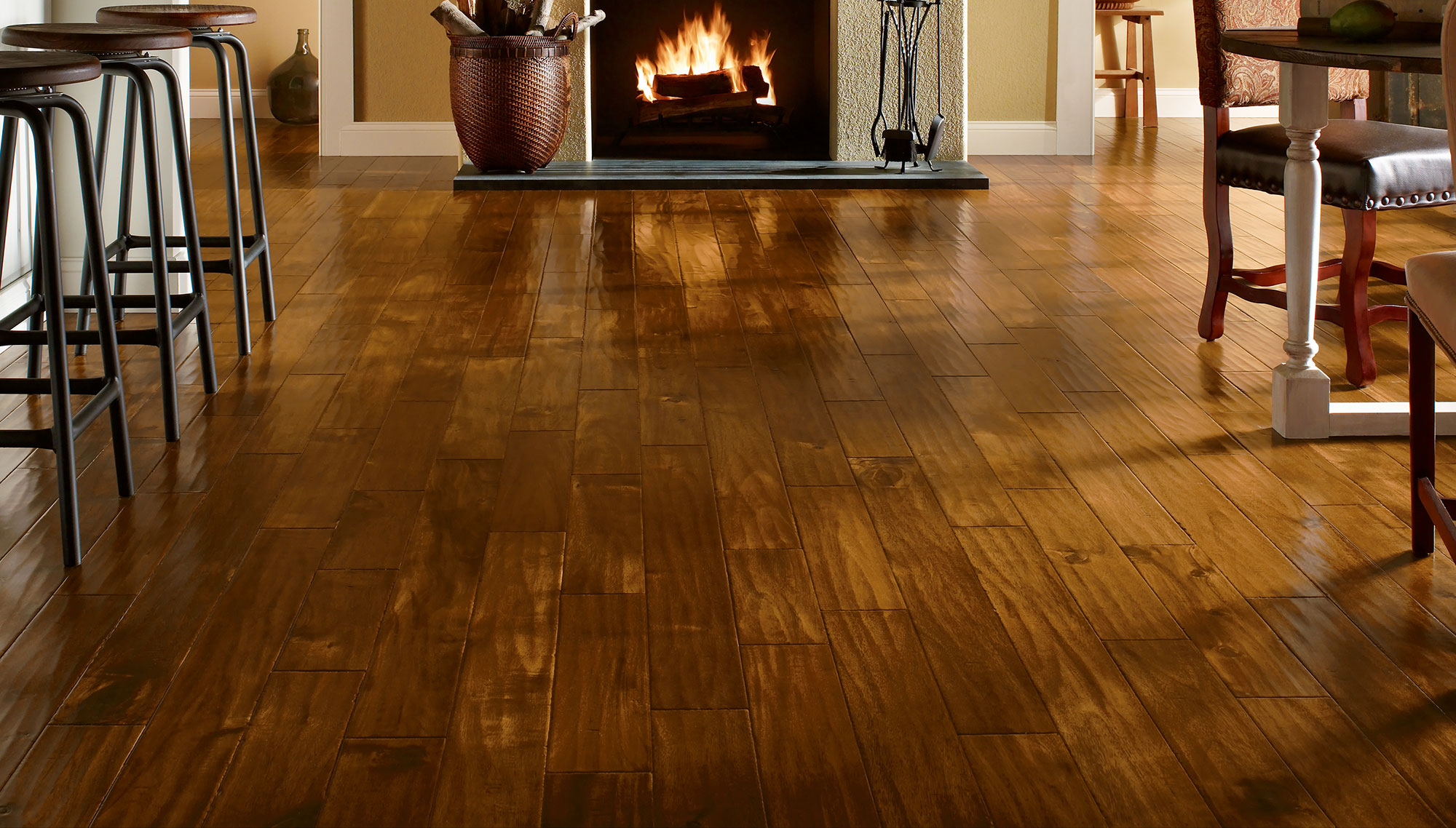

Choosing the right flooring is one of the most impactful decisions when designing or renovating a home. Among modern options, engineered wood flooring stands out as a *popular best-rated engineered wood flooring for home style*, blending durability, warmth, and aesthetic versatility. Unlike solid hardwood, engineered wood features layered construction—typically a hardwood top layer bonded over a stable plywood or composite core—making it resistant to warping, shrinking, and moisture better than traditional wood. This combination ensures long-lasting beauty that complements diverse interior designs, from minimalist Scandinavian to cozy rustic. Whether you seek luxury or practicality, engineered wood delivers performance without compromise, making it a top choice for homeowners who value both form and function.
Understanding Engineered Wood Flooring: Why It’s Ideal for Modern Homes
Engineered wood flooring has transformed how we think about wooden floors, offering enhanced stability and adaptability. Its multi-layered design allows it to withstand temperature and humidity shifts far better than solid wood, reducing common issues like cupping or cracking. The top layer, usually made from premium hardwood such as oak, maple, or walnut, provides a rich, authentic grain pattern that ages gracefully. Beneath lies a stable core—often plywood or a composite material—that resists expansion and contraction, ensuring consistent performance over decades. This engineering makes engineered wood especially suitable for homes with fluctuating climates or high foot traffic areas like living rooms and hallways.
Note: Engineered wood flooring often comes with warranties covering up to 50 years, reflecting its superior longevity compared to many other flooring types.
| Feature | Engineered Wood | Solid Hardwood |
|---|---|---|
| Warp Resistance | High – layered construction minimizes movement | Low – prone to cupping and warping |
| Moisture Tolerance | Moderate to High – stable core reduces warping risk | Low – highly sensitive to moisture |
| Installation Flexibility | Easier in temperature-variable environments | Requires stable conditions during installation |
| Aesthetic Variety | Wide range of real wood grains and finishes | Limited by natural wood availability |
Note: Engineered wood mimics the look of solid hardwood while offering greater resilience, making it ideal for busy households.
Note: Many engineered wood products meet strict environmental standards, including FSC certification, supporting sustainable home choices.
When selecting engineered wood flooring, consider key factors such as the core type—polyurethane or high-density fiberboard (HDF)—which affects stability and noise reduction. Thicker planks offer a more authentic feel but may require careful installation to prevent gaps. Edge profiles also influence maintenance ease; rounded edges resist dirt accumulation better than straight ones. Additionally, finish options like matte, semi-gloss, or oil-based sealants impact both appearance and durability. Opting for a floor with a Class 4 wear layer ensures resistance to daily wear, especially in high-traffic zones. Matching the wood tone and grain pattern to your room’s color scheme enhances cohesion, creating a harmonious and inviting space.
Note: A well-chosen finish not only protects the floor but also defines the room’s mood—matte tones create calmness, while glossy finishes add brightness and depth.
Note: Professional installation significantly extends the lifespan and performance of engineered wood, minimizing risks of lifting or uneven surfaces.
Related Terms:
- best engineered wood flooring
- engineered wood flooring
- highest quality engineered hardwood flooring
- most durable engineered hardwood flooring
- best brand of engineered hardwood
- highest rated engineered wood flooring