
Pregnancy is an exciting journey filled with anticipation and wonder. For those hoping to conceive twins, the experience can be even more thrilling. Recognizing the signs of twins pregnancy early on can help expectant parents prepare for the unique challenges and joys that come with carrying multiples. This guide will explore the various indicators, symptoms, and diagnostic methods that can help identify a twin pregnancy.
Early Signs of Twins Pregnancy
While every pregnancy is unique, there are several early signs that might suggest a twin pregnancy. These signs can vary widely among women, but being aware of them can provide valuable insights.
Increased Hormone Levels
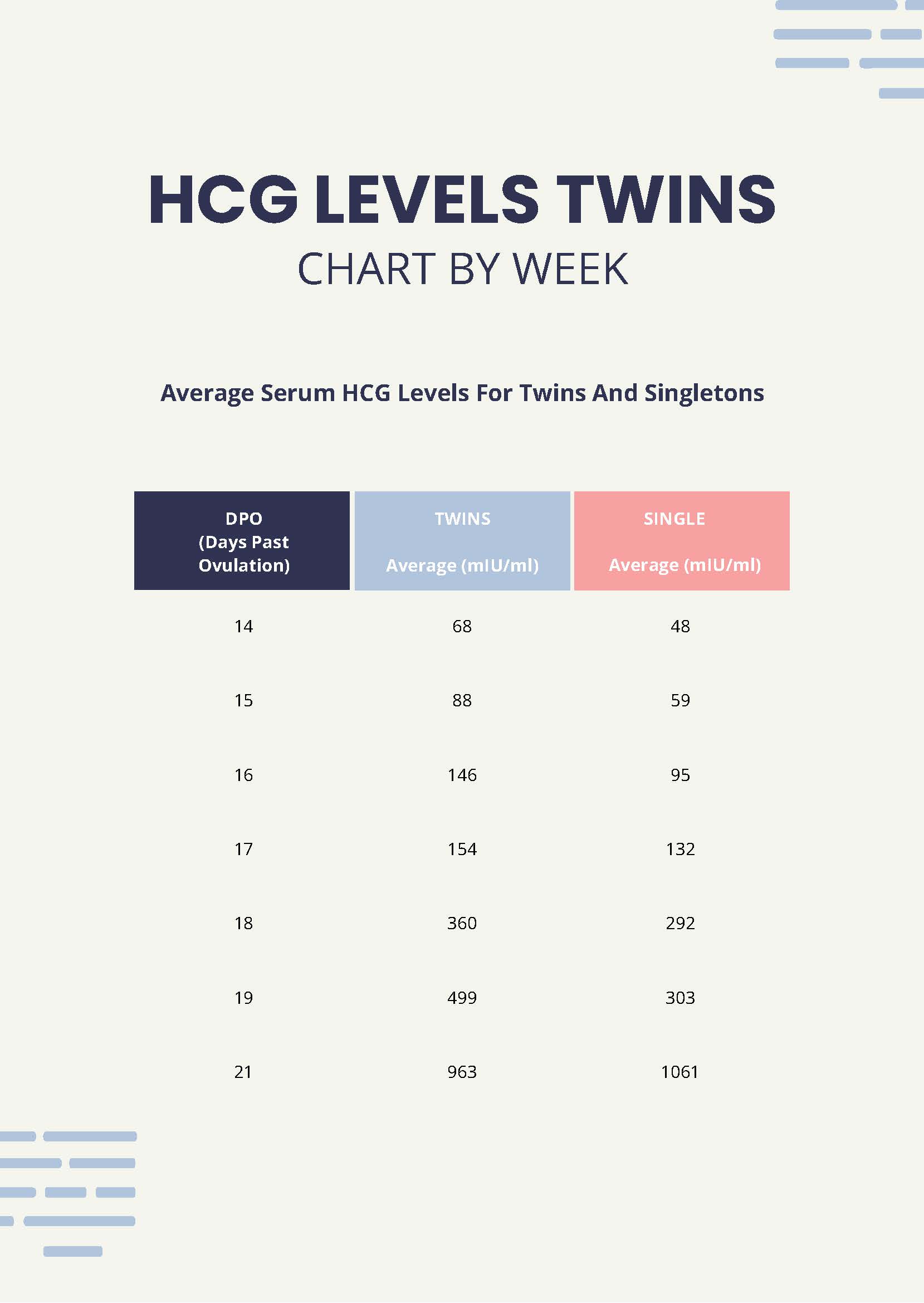
One of the earliest indicators of a twin pregnancy is elevated hormone levels. Women carrying twins often experience higher levels of human chorionic gonadotropin (hCG) and other pregnancy hormones. This can lead to more pronounced symptoms such as:
- More severe morning sickness
- Increased fatigue
- Frequent urination
- Heightened sense of smell
These symptoms can be more intense and persistent compared to a singleton pregnancy.
Rapid Weight Gain
Women carrying twins may experience faster weight gain, especially in the early stages of pregnancy. This is due to the increased demands on the body to support two growing babies. However, it's important to note that weight gain can vary significantly among individuals, and rapid weight gain is not a definitive sign of twins.
Larger Uterus
During an early ultrasound, the uterus may appear larger than expected for the gestational age. This can be an indication of a twin pregnancy, as the uterus needs to accommodate two fetuses. However, this sign is more reliably detected through medical imaging rather than physical examination.
Symptoms of Twins Pregnancy
In addition to the early signs, there are several symptoms that may become more apparent as the pregnancy progresses. These symptoms can provide further clues about the possibility of carrying twins.
Excessive Morning Sickness
Many women carrying twins report experiencing more severe and prolonged morning sickness. This can include nausea, vomiting, and a heightened sensitivity to certain smells and tastes. While morning sickness is common in all pregnancies, its intensity can be a sign of twins pregnancy.
Increased Appetite
Women carrying twins often have a larger appetite to support the nutritional needs of two growing babies. This increased hunger can lead to more frequent meals and a higher caloric intake. However, it's essential to consult with a healthcare provider to ensure a balanced and nutritious diet.
Frequent Urination
As the uterus expands to accommodate two fetuses, it can put pressure on the bladder, leading to more frequent urination. This symptom can be particularly noticeable in the early stages of pregnancy and may persist throughout the gestation period.
Visible Baby Bump
Some women carrying twins may develop a visible baby bump earlier than those with singleton pregnancies. This is due to the larger size of the uterus and the increased volume of amniotic fluid. However, the timing and size of the baby bump can vary widely among individuals.
Diagnostic Methods for Twins Pregnancy
While symptoms and early signs can provide valuable insights, the most reliable way to confirm a twin pregnancy is through diagnostic methods. These methods offer a definitive diagnosis and can help expectant parents prepare for the unique challenges of carrying multiples.
Ultrasound
Ultrasound is the primary diagnostic tool used to confirm a twin pregnancy. During an ultrasound, a healthcare provider can visualize the uterus and identify the presence of two separate sacs or fetuses. Ultrasounds can be performed as early as 6 weeks into the pregnancy, but the accuracy of the diagnosis improves with each subsequent scan.
There are two main types of ultrasounds used to diagnose twin pregnancies:
| Type of Ultrasound | Description |
|---|---|
| Transvaginal Ultrasound | Performed early in the pregnancy, this type of ultrasound uses a probe inserted into the vagina to provide a clear view of the uterus and ovaries. |
| Transabdominal Ultrasound | Performed later in the pregnancy, this type of ultrasound uses a probe placed on the abdomen to visualize the uterus and fetuses. |
📝 Note: Ultrasounds are generally safe and non-invasive, but it's essential to follow the recommendations of your healthcare provider regarding the frequency and timing of scans.
Blood Tests
Blood tests can also provide valuable information about a twin pregnancy. These tests measure the levels of pregnancy hormones, such as hCG, and can indicate the presence of multiples. However, blood tests are not as definitive as ultrasounds and are often used in conjunction with other diagnostic methods.
Genetic Testing
In some cases, genetic testing may be recommended to confirm a twin pregnancy, especially if there is a family history of twins or if the parents are concerned about genetic disorders. Genetic testing can provide detailed information about the genetic makeup of the fetuses and help identify any potential risks or complications.
Types of Twin Pregnancies
Twin pregnancies can be categorized into two main types: identical and fraternal. Understanding the differences between these types can help expectant parents better prepare for the unique challenges and joys of carrying multiples.
Identical Twins
Identical twins occur when a single fertilized egg splits into two separate embryos. This type of twin pregnancy is also known as monozygotic twins. Identical twins share the same genetic makeup and are always the same sex. They can develop in one of two ways:
- Dichorionic Diamniotic (DiDi): Each twin has its own placenta and amniotic sac.
- Monochorionic Diamniotic (MoDi): Both twins share a single placenta but have separate amniotic sacs.
Identical twins are less common than fraternal twins, accounting for about one-third of all twin pregnancies.
Fraternal Twins
Fraternal twins occur when two separate eggs are fertilized by two different sperm. This type of twin pregnancy is also known as dizygotic twins. Fraternal twins can be of the same sex or different sexes and do not share the same genetic makeup. They always develop in separate amniotic sacs and may or may not share a placenta:
- Dichorionic Diamniotic (DiDi): Each twin has its own placenta and amniotic sac.
- Dichorionic Monoamniotic (DiMo): Both twins share a single placenta but have separate amniotic sacs.
Fraternal twins are more common than identical twins, accounting for about two-thirds of all twin pregnancies.
Challenges and Considerations
Carrying twins presents unique challenges and considerations that expectant parents should be aware of. Understanding these factors can help ensure a healthy and successful pregnancy.
Increased Risk of Complications
Twin pregnancies are associated with a higher risk of complications, including:
- Preeclampsia
- Gestational diabetes
- Preterm labor
- Low birth weight
Regular prenatal care and close monitoring by a healthcare provider can help manage these risks and ensure the health of both the mother and the babies.
Nutritional Needs
Women carrying twins have increased nutritional needs to support the growth and development of two fetuses. A balanced diet rich in essential nutrients, such as folic acid, iron, and calcium, is crucial. Expectant mothers should consult with their healthcare provider to develop a personalized nutrition plan.
Emotional and Physical Support
Carrying twins can be both physically and emotionally demanding. Expectant parents should seek support from family, friends, and healthcare providers to help navigate the challenges of a twin pregnancy. Joining support groups or seeking counseling can also provide valuable resources and encouragement.

In conclusion, recognizing the signs of twins pregnancy early on can help expectant parents prepare for the unique challenges and joys of carrying multiples. From increased hormone levels and rapid weight gain to diagnostic methods like ultrasounds and blood tests, there are various indicators and tools available to confirm a twin pregnancy. Understanding the types of twin pregnancies and the associated challenges can also help ensure a healthy and successful journey. With proper care, support, and preparation, expectant parents can embrace the excitement and wonder of a twin pregnancy.
Related Terms:
- twin early pregnancy symptoms
- twin pregnancy symptoms start earlier
- earliest signs of twin pregnancy
- signs of pregnant with twins
- symptoms of twins during pregnancy
- early twin pregnancy signs