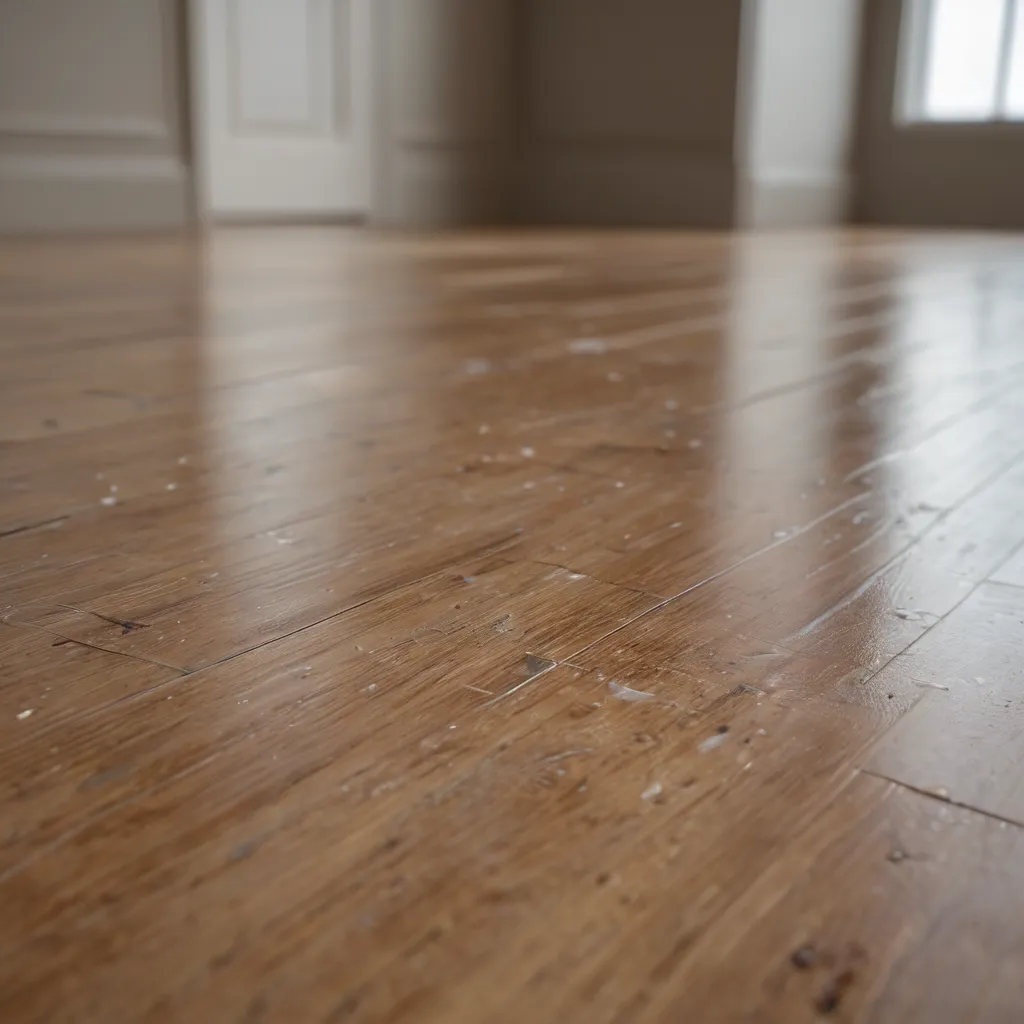

Upgrading your home doesn’t always require major renovations—sometimes, a fresh coat of care is all it takes to transform Pergo floors from functional to fabulous. Stylish How To Clean Pergo Floors To Upgrade reveals simple yet effective techniques that preserve the integrity of these durable surfaces while elevating their appearance. Whether your Pergo flooring is polished concrete, epoxy resin, or textured composite, proper cleaning and maintenance can restore shine, remove stains, and extend its lifespan. With the right tools and methods, you’ll achieve a professional-grade finish that enhances both style and longevity.
Pergo floors are celebrated for their durability and low maintenance, but over time, daily wear, spills, and dust accumulation can dull their luster. Regular cleaning isn’t just about aesthetics—it’s essential for protecting the surface from moisture damage and preventing grime buildup. The key lies in understanding the material type and choosing cleaning solutions that complement rather than compromise. This guide walks you through a step-by-step process designed to clean and refresh Pergo floors, ensuring they look as good as new while maintaining their stylish appeal.
Understanding Your Pergo Floor Type
Before diving into cleaning, identifying your flooring type is crucial, as different materials respond uniquely to various cleaning agents. Common Pergo floor finishes include:
- Polished Concrete: Smooth, dense, and highly durable; ideal for high-traffic areas but sensitive to acidic cleaners.
- Epoxy Resin: Glossy, seamless, and stain-resistant; requires gentle scrubbing and non-abrasive products.
- Textured Composite: Offers slip resistance and visual interest; best cleaned with mild detergent to avoid damaging texture.
Knowing your floor type helps prevent costly mistakes and ensures optimal results.
| Floor Type | Cleaning Recommendation | Best Tools | Avoid |
|---|---|---|---|
| Polished Concrete | Use pH-neutral cleaners; avoid vinegar and bleach | Soft microfiber cloths, neutral pH cleaner | Acidic or abrasive cleaners |
| Epoxy Resin | Gentle scrubbing with mild soap and water | Soft sponge, non-abrasive brush | Scouring pads, harsh chemicals |
| Textured Composite | Mild detergent and warm water | Soft-bristled brush, sponge | High-pressure washers, strong solvents |
| Always test cleaners on a small, hidden area first. | |||
| Dry thoroughly after cleaning to prevent water spots. | |||
| Regular maintenance prevents deep staining and extends life. |
Begin by removing loose debris such as dirt, sand, and small particles using a soft-bristled broom or vacuum with a brush attachment. This prevents scratching during deeper cleaning.
For polished concrete and epoxy surfaces, mix a mild pH-neutral cleaner with warm water according to package instructions. Apply gently with a microfiber mop or soft cloth, wiping in the direction of the floor’s grain or pattern to maintain finish integrity. Avoid saturating the surface—excess moisture can seep into joints or edges, especially in epoxy finishes.
When tackling stains—whether coffee, ink, or grease—act quickly. Blot (don’t rub) the affected area with a clean, damp cloth or a slightly damp microfiber pad. For stubborn marks, apply a small amount of non-abrasive cleaner directly to the spot, scrub lightly, then rinse thoroughly. Always dry immediately to avoid discoloration or mold risk.
For textured composite floors, use a soft brush dipped in warm water mixed with a few drops of dish soap. Gently scrub each groove to lift embedded dirt without damaging the texture. Rinse with clean water and dry completely.
Avoid common pitfalls: never use bleach, ammonia, or acidic cleaners on epoxy or concrete—these can degrade resin or cause etching. Never use pressure washers, as high force damages grout lines and surface finish. Also, skip steam cleaners unless explicitly safe for your floor type, as excess heat and moisture may harm certain resins.
Once cleaned, apply a protective sealant suitable for your flooring material. This adds a barrier against future stains and simplifies maintenance. Follow product instructions carefully for application and drying times.
Regular upkeep—weekly sweeping, monthly deep cleaning, and seasonal inspections—keeps Pergo floors looking vibrant and functional. By integrating these simple habits, you preserve both beauty and value, transforming everyday spaces into stylish, long-lasting interiors.
Stylish How To Clean Pergo Floors To Upgrade is more than a cleaning routine—it’s an investment in your home’s curb appeal and durability. With consistent care, your floors remain a standout feature, reflecting thoughtful maintenance and modern elegance.
Related Terms:
- how to remove pergo scratches
- homemade pergo floor cleaner
- pergo outlast cleaning instructions
- solution for washing pergo floors
- best floor cleaner for pergo
- pergo laminate flooring care instructions