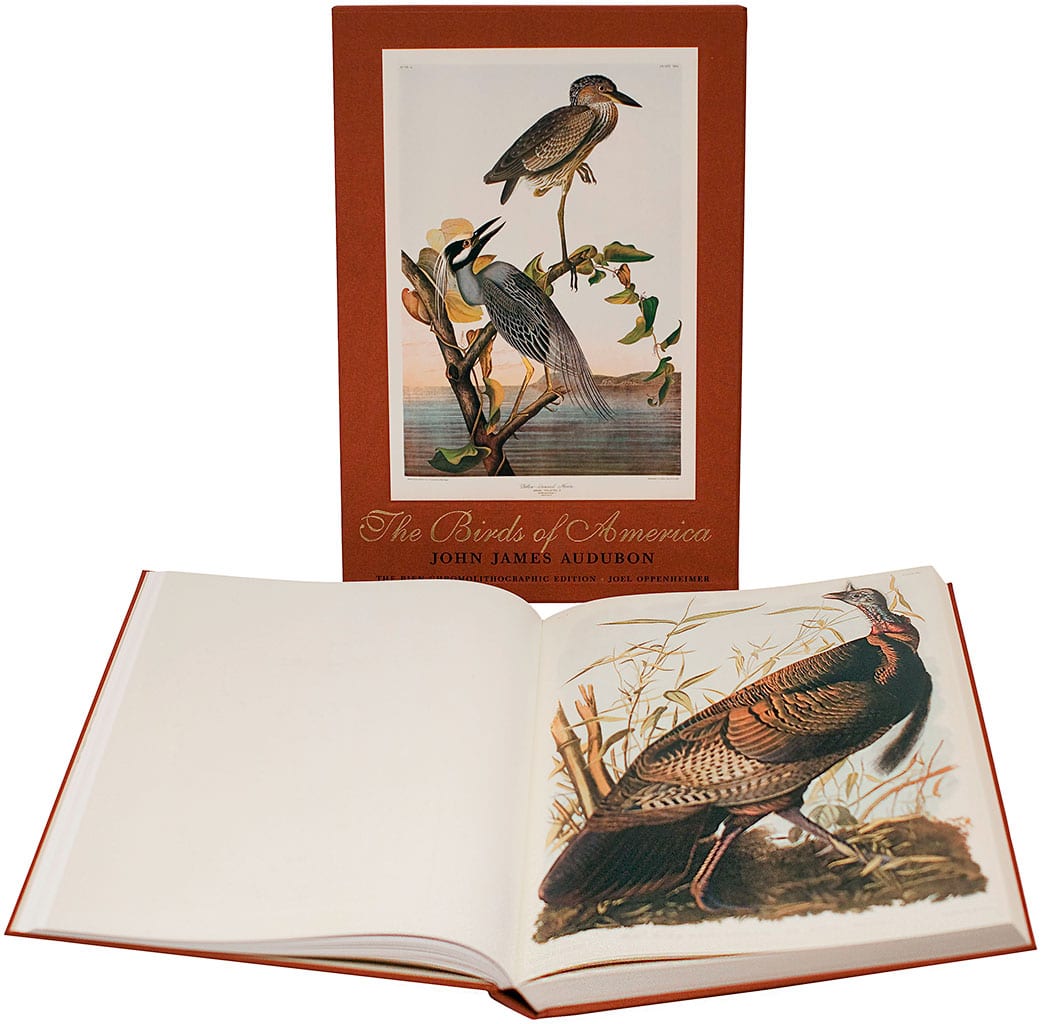

The Birds of America is a monumental work that has captivated ornithologists, artists, and nature enthusiasts for centuries. Published between 1827 and 1838, this collection of prints by John James Audubon is renowned for its stunning illustrations and meticulous documentation of North American birds. The Birds of America stands as a testament to Audubon's dedication and artistic prowess, offering a comprehensive look at the avian species of the continent during the early 19th century.
The Legacy of John James Audubon
John James Audubon, a French-American ornithologist, naturalist, and painter, is celebrated for his groundbreaking work in documenting the birds of North America. Born in 1785, Audubon’s passion for birds began at a young age, and he dedicated his life to studying and illustrating these magnificent creatures. His journey to create The Birds of America was fraught with challenges, but his unwavering commitment resulted in one of the most significant contributions to ornithology and art.
The Creation of The Birds of America
The Birds of America is a collection of 435 life-size prints of birds, each meticulously hand-colored and beautifully detailed. Audubon’s approach to illustrating birds was revolutionary for his time. He insisted on depicting birds in their natural habitats and in lifelike poses, often using dead specimens or live models to ensure accuracy. This dedication to realism set his work apart from previous ornithological illustrations, which often relied on stylized and less accurate depictions.
Audubon's process involved several steps:
- Sketching: Audubon would sketch the birds in the field or from specimens he collected.
- Preparing the Prints: He would then create life-size drawings on paper, which were later transferred to copper plates for engraving.
- Engraving: Skilled engravers would meticulously carve the details into the copper plates.
- Printing: The plates were then used to create prints, which were hand-colored by skilled artists.
This painstaking process ensured that each print was a work of art, capturing the essence and beauty of the birds with unparalleled precision.
📝 Note: The original prints of The Birds of America are highly valuable and are housed in museums and private collections around the world. Reproductions and facsimiles are available for enthusiasts and collectors.
The Impact on Ornithology and Art
The Birds of America had a profound impact on both ornithology and the art world. For ornithologists, Audubon’s work provided an unprecedented level of detail and accuracy, contributing significantly to the understanding of bird species and their habitats. His illustrations served as a reference for scientists and naturalists for generations, helping to document the diversity and distribution of North American birds.
In the art world, Audubon's work is celebrated for its aesthetic beauty and technical mastery. His illustrations are not only scientifically accurate but also visually stunning, showcasing his talent as an artist. The Birds of America is often compared to the works of great masters, and its influence can be seen in various forms of art and illustration.
The Birds of America Today
Today, The Birds of America continues to inspire and educate. Modern reproductions and digital versions make Audubon’s work accessible to a wider audience, allowing enthusiasts to appreciate the beauty and significance of his illustrations. Museums and galleries frequently feature exhibitions showcasing Audubon’s work, providing visitors with a glimpse into the natural world as seen through his eyes.
In addition to its artistic and scientific value, The Birds of America serves as a historical document, offering insights into the natural history of North America during the 19th century. The illustrations capture not only the birds but also the landscapes and ecosystems in which they lived, providing a snapshot of a time when many species were still abundant and diverse.
Key Species Featured in The Birds of America
The Birds of America includes a wide range of species, from common backyard birds to rare and exotic species. Some of the key species featured in the collection include:
| Species | Description |
|---|---|
| Bald Eagle | The national bird of the United States, known for its majestic appearance and powerful flight. |
| American Robin | A familiar backyard bird with a distinctive red breast and melodious song. |
| Wild Turkey | A large, ground-dwelling bird known for its distinctive gobble and impressive size. |
| Great Blue Heron | A tall, wading bird with a long beak and legs, often seen in wetlands and near bodies of water. |
| Scarlet Tanager | A vibrantly colored bird with a bright red body and black wings, often seen in forests. |
These species, along with many others, are beautifully depicted in The Birds of America, showcasing Audubon's ability to capture the unique characteristics of each bird.
The Birds of America in Popular Culture
The Birds of America has left an indelible mark on popular culture, inspiring artists, writers, and filmmakers. Its influence can be seen in various forms of media, from literature and film to music and visual arts. The collection’s stunning illustrations have been featured in numerous exhibitions, books, and documentaries, further cementing its place in cultural history.
One notable example is the use of Audubon's illustrations in environmental and conservation efforts. His work has been used to raise awareness about the importance of bird conservation and the protection of natural habitats. The Birds of America serves as a reminder of the beauty and diversity of the natural world, inspiring generations to appreciate and protect it.
In the realm of literature, Audubon's work has been referenced in various books and poems, often as a symbol of the natural world and the human connection to it. Writers have drawn inspiration from his illustrations, using them to evoke a sense of wonder and awe at the beauty of nature.
In the visual arts, Audubon's influence can be seen in the work of contemporary artists who continue to explore themes of nature and wildlife. His illustrations have inspired countless artists to create their own interpretations of the natural world, carrying on his legacy of artistic and scientific excellence.
In the world of film, Audubon's work has been featured in documentaries and nature films, providing a visual feast for viewers and offering insights into the natural history of North America. His illustrations have been used to enhance the storytelling and educational value of these films, making them more engaging and informative.
In music, Audubon's work has inspired composers and musicians to create pieces that capture the essence of the natural world. His illustrations have been used as inspiration for songs and albums, often evoking a sense of tranquility and connection to nature.
In the realm of fashion and design, Audubon's illustrations have been used to create patterns and motifs for clothing, accessories, and home decor. His work has been featured in various fashion collections, often as a nod to the beauty and elegance of the natural world.
In the world of education, Audubon's work has been used to teach students about the natural world and the importance of conservation. His illustrations have been used in classrooms and museums to educate children and adults about the diversity of bird species and the need to protect them.
In the realm of technology, Audubon's work has been digitized and made available online, allowing enthusiasts to explore his illustrations in a new and interactive way. His work has been used to create apps and websites that provide information about bird species and their habitats, making it easier for people to learn about and appreciate the natural world.
In the world of science, Audubon's work has been used to study the changes in bird populations and habitats over time. His illustrations have been used to document the distribution and abundance of bird species, providing valuable insights into the natural history of North America.
In the realm of conservation, Audubon's work has been used to raise awareness about the importance of protecting bird species and their habitats. His illustrations have been used to advocate for policies and practices that promote the conservation of the natural world, ensuring that future generations can continue to appreciate and enjoy it.
In the world of art, Audubon's work has been used to inspire contemporary artists to create their own interpretations of the natural world. His illustrations have been used as a source of inspiration for artists who seek to capture the beauty and diversity of nature in their own work.
In the realm of literature, Audubon's work has been used to evoke a sense of wonder and awe at the beauty of nature. His illustrations have been used to inspire writers to create stories and poems that capture the essence of the natural world and the human connection to it.
In the world of film, Audubon's work has been used to enhance the storytelling and educational value of nature documentaries and films. His illustrations have been used to provide a visual feast for viewers and offer insights into the natural history of North America.
In the realm of music, Audubon's work has been used to create pieces that capture the essence of the natural world. His illustrations have been used as inspiration for songs and albums that evoke a sense of tranquility and connection to nature.
In the world of fashion and design, Audubon's work has been used to create patterns and motifs for clothing, accessories, and home decor. His illustrations have been used to evoke a sense of beauty and elegance inspired by the natural world.
In the realm of education, Audubon's work has been used to teach students about the natural world and the importance of conservation. His illustrations have been used in classrooms and museums to educate children and adults about the diversity of bird species and the need to protect them.
In the realm of technology, Audubon's work has been used to create apps and websites that provide information about bird species and their habitats. His illustrations have been used to make it easier for people to learn about and appreciate the natural world.
In the world of science, Audubon's work has been used to study the changes in bird populations and habitats over time. His illustrations have been used to document the distribution and abundance of bird species, providing valuable insights into the natural history of North America.
In the realm of conservation, Audubon's work has been used to raise awareness about the importance of protecting bird species and their habitats. His illustrations have been used to advocate for policies and practices that promote the conservation of the natural world, ensuring that future generations can continue to appreciate and enjoy it.
In the world of art, Audubon's work has been used to inspire contemporary artists to create their own interpretations of the natural world. His illustrations have been used as a source of inspiration for artists who seek to capture the beauty and diversity of nature in their own work.
In the realm of literature, Audubon's work has been used to evoke a sense of wonder and awe at the beauty of nature. His illustrations have been used to inspire writers to create stories and poems that capture the essence of the natural world and the human connection to it.
In the world of film, Audubon's work has been used to enhance the storytelling and educational value of nature documentaries and films. His illustrations have been used to provide a visual feast for viewers and offer insights into the natural history of North America.
In the realm of music, Audubon's work has been used to create pieces that capture the essence of the natural world. His illustrations have been used as inspiration for songs and albums that evoke a sense of tranquility and connection to nature.
In the world of fashion and design, Audubon's work has been used to create patterns and motifs for clothing, accessories, and home decor. His illustrations have been used to evoke a sense of beauty and elegance inspired by the natural world.
In the realm of education, Audubon's work has been used to teach students about the natural world and the importance of conservation. His illustrations have been used in classrooms and museums to educate children and adults about the diversity of bird species and the need to protect them.
In the realm of technology, Audubon's work has been used to create apps and websites that provide information about bird species and their habitats. His illustrations have been used to make it easier for people to learn about and appreciate the natural world.
In the world of science, Audubon's work has been used to study the changes in bird populations and habitats over time. His illustrations have been used to document the distribution and abundance of bird species, providing valuable insights into the natural history of North America.
In the realm of conservation, Audubon's work has been used to raise awareness about the importance of protecting bird species and their habitats. His illustrations have been used to advocate for policies and practices that promote the conservation of the natural world, ensuring that future generations can continue to appreciate and enjoy it.
In the world of art, Audubon's work has been used to inspire contemporary artists to create their own interpretations of the natural world. His illustrations have been used as a source of inspiration for artists who seek to capture the beauty and diversity of nature in their own work.
In the realm of literature, Audubon's work has been used to evoke a sense of wonder and awe at the beauty of nature. His illustrations have been used to inspire writers to create stories and poems that capture the essence of the natural world and the human connection to it.
In the world of film, Audubon's work has been used to enhance the storytelling and educational value of nature documentaries and films. His illustrations have been used to provide a visual feast for viewers and offer insights into the natural history of North America.
In the realm of music, Audubon's work has been used to create pieces that capture the essence of the natural world. His illustrations have been used as inspiration for songs and albums that evoke a sense of tranquility and connection to nature.
In the world of fashion and design, Audubon's work has been used to create patterns and motifs for clothing, accessories, and home decor. His illustrations have been used to evoke a sense of beauty and elegance inspired by the natural world.
In the realm of education, Audubon's work has been used to teach students about the natural world and the importance of conservation. His illustrations have been used in classrooms and museums to educate children and adults about the diversity of bird species and the need to protect them.
In the realm of technology, Audubon's work has been used to create apps and websites that provide information about bird species and their habitats. His illustrations have been used to make it easier for people to learn about and appreciate the natural world.
In the world of science, Audubon's work has been used to study the changes in bird populations and habitats over time. His illustrations have been used to document the distribution and abundance of bird species, providing valuable insights into the natural history of North America.
In the realm of conservation, Audubon's work has been used to raise awareness about the importance of protecting bird species and their habitats. His illustrations have been used to advocate for policies and practices that promote the conservation of the natural world, ensuring that future generations can continue to appreciate and enjoy it.
In the world of art, Audubon's work has been used to inspire contemporary artists to create their own interpretations of the natural world. His illustrations have been used as a source of inspiration for artists who seek to capture the beauty and diversity of nature in their own work.
In the realm of literature, Audubon's work has been used to evoke a sense of wonder and awe at the beauty of nature. His illustrations have been used to inspire writers to create stories and poems that capture the essence of the natural world and the human connection to it.
In the world of film, Audubon's work has been used to enhance the storytelling and educational value of nature documentaries and films. His illustrations have been used to provide a visual feast for viewers and offer insights into the natural history of North America.
In the realm of music, Audubon's work has been used to create pieces that capture the essence of the natural world. His illustrations have been used as inspiration for songs and albums that evoke a sense of tranquility and connection to nature.
In the world of fashion and design, Audubon's work has been used to create patterns and motifs for clothing, accessories, and home decor. His illustrations have been used to evoke a sense of beauty and elegance inspired by the natural world.
In the realm of education, Audubon's work has been used to teach students about the natural world and the importance of conservation. His illustrations have been used in classrooms and museums to educate children and adults about the diversity of bird species and the need to protect them.
In the realm of technology, Audubon's work has been used to create apps and websites that provide information about bird species and their habitats. His illustrations have been used to make it easier for people to learn about and appreciate the natural world.
In the world of science, Audubon's work has been used to study the changes in bird populations and habitats over time. His illustrations have been used to document the distribution and abundance of bird species, providing valuable insights into the natural history of North America.
In the realm of conservation, Audubon's work has been used to raise awareness about the importance of protecting bird species and their habitats. His illustrations have been used to advocate for policies and practices that promote the conservation of the natural world, ensuring that future generations can continue to appreciate and enjoy it.
In the world of art, Audubon's work has been used to inspire contemporary artists to create their own interpretations of the natural world. His illustrations have been used as a source of inspiration for artists who seek to capture the beauty and diversity of nature in their own work.
In the realm of literature, Audubon's work has been used to evoke a sense of wonder and awe at the beauty of nature. His illustrations have been used to inspire writers to create stories and poems that capture the essence of the natural world and the human connection to it.
In the world of film, Audubon's work has been used to enhance the storytelling and educational value of nature documentaries and films. His illustrations have been used to provide a visual feast for viewers and offer insights into the natural history of North America.
In the realm of music, Audubon's work has been used to create pieces that capture the essence of the natural world. His illustrations have been used as inspiration for songs and albums that evoke a sense of tranquility and connection to nature.
In the world of fashion and design, Audubon's work has been used to create patterns and motifs for clothing, accessories, and home decor. His illustrations have been used to evoke a sense of beauty and elegance inspired by the natural world.
In the realm of education, Audubon's work has been used to teach students about the natural world and the importance of conservation. His illustrations have been used in classrooms and museums to educate children and adults about the diversity of bird species and the need to protect them.
In the realm of technology, Audubon's work has been used to create apps and websites that provide information about bird species and their habitats. His illustrations have been used to make it easier for people to learn about and appreciate the natural world.
In the world of science, Audubon’s work has been used to study the changes in bird populations and habitats over time. His illustrations have been used to document the distribution and abundance of bird species, providing valuable
Related Terms:
- american birds pictures
- john james audubon bird pictures
- audubon birds of america original
- the birds of america illustrations
- john james audubon bird painting
- birds of america painting