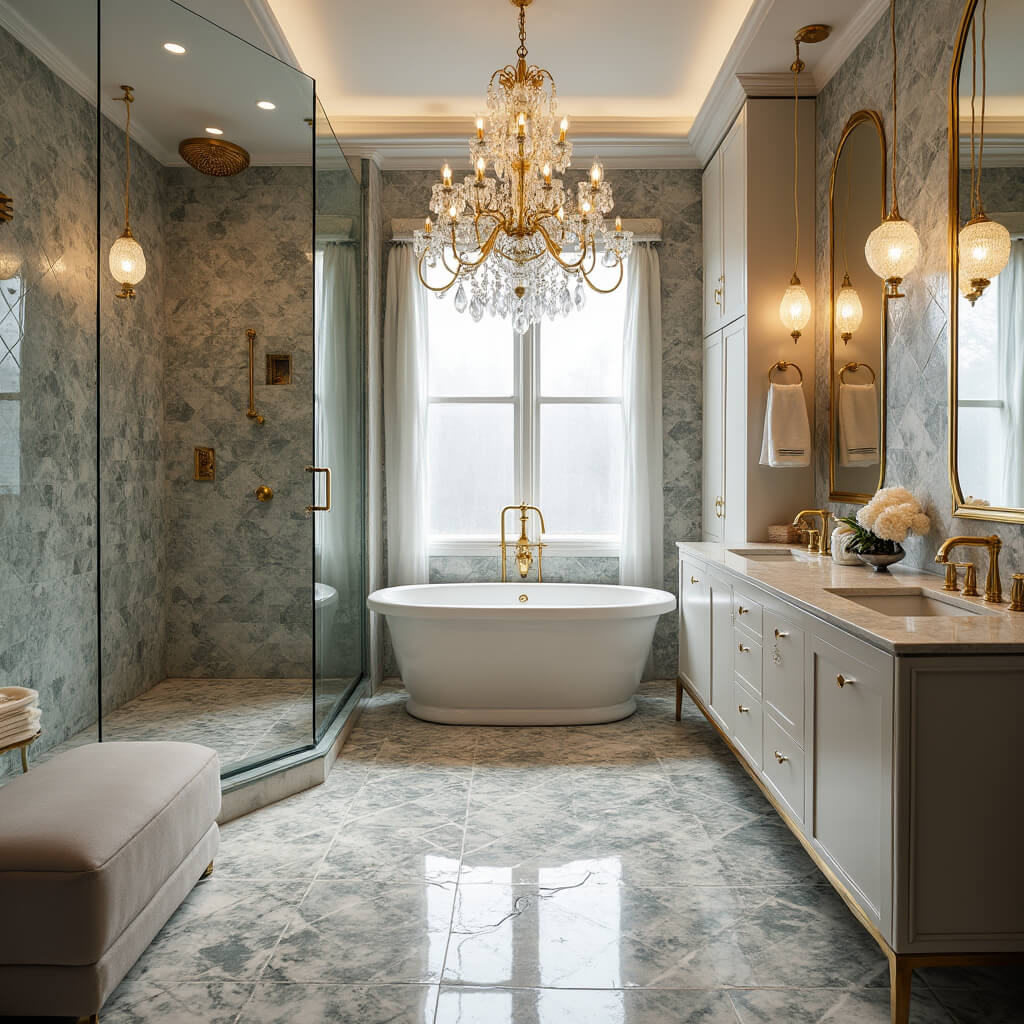

Trending raised floor tiles are transforming modern spaces by blending functionality with striking design. These elevated surfaces elevate aesthetics while solving practical challenges like cable management, ventilation, and easy cleaning—making them essential in offices, retail stores, galleries, and even homes. What’s capturing attention today isn’t just durability, but innovation in texture, color, and installation ease. From modular systems that adapt to changing layouts to tiles embedded with smart technology, the latest trends reflect a shift toward smarter, more versatile flooring solutions. Whether you're renovating a commercial space or upgrading a living area, understanding what’s currently shaping the market helps you make informed choices that balance style and performance.
Why Raised Floor Tiles Are Gaining Popularity
Raised floor tiles have evolved beyond industrial roots into mainstream design staples. Their popularity stems from several key advantages:
- Cable and utility routing: Integrated channels allow seamless passage of wires, pipes, and data lines without disrupting the floor surface.
- Improved airflow: The gap beneath the tile enhances ventilation, reducing heat buildup and moisture risks—critical in climate-controlled or high-traffic environments.
- Easy maintenance: Removable tiles simplify cleaning and repairs, minimizing downtime and labor costs.
- Customizable aesthetics: Available in diverse finishes, patterns, and textures, they complement minimalist, industrial, or eclectic interiors alike.
- Acoustic benefits: Sound-dampening materials reduce noise transmission, ideal for open-plan offices or multi-level buildings.
Note: Raised floor tiles often support underfloor HVAC systems, making them ideal for spaces requiring precise climate control.
Top Trending Raised Floor Tile Styles
The current market showcases a rich variety of raised floor tiles, each tailored to specific design and functional needs. Below is a curated overview of the most sought-after types:
| Style | Key Features | Best Use Case |
|---|---|---|
| Modular Interlocking Tiles | Click-lock system for flexible layout changes; wide range of colors and materials | Retail spaces, exhibition halls, and dynamic workspaces needing frequent reconfiguration |
| Solid Surface Composite Tiles | Scratch-resistant, seamless look; water and stain repellent | Commercial kitchens, healthcare facilities, and high-traffic lobbies |
| Wood Veneer Raised Tiles | Natural warmth with raised edges; eco-friendly options available | Luxury residential foyers, boutique hotels, and modern living rooms |
| Textured Rubber Tiles | Non-slip surface, impact absorption, and sound insulation | Gyms, playgrounds, and industrial warehouses prioritizing safety and comfort |
| LED-Integrated Smart Tiles | Embedded lighting for ambient effects or wayfinding; energy-efficient LEDs | High-end retail, art installations, and futuristic office lobbies |
Note: Texture and material choice significantly influence both visual appeal and acoustic performance—prioritize based on room function.
Note: Many tiles now feature anti-static properties, reducing dust accumulation in cleanroom environments.
Note: Installation compatibility varies—modular systems often require minimal tools and quick setup, ideal for fast renovations.
Beyond basic functionality, today’s raised floor tiles emphasize sustainability. Manufacturers increasingly use recycled content and low-VOC adhesives, aligning with green building standards. This shift supports environmentally conscious projects without compromising on quality or design. Whether you prioritize sleek modernity, tactile warmth, or cutting-edge tech, the trending raised floor tiles offer a solution that adapts to evolving spatial demands. With endless combinations of form and function, these tiles are no longer just flooring—they’re integral to how we experience and interact with interior spaces.
Related Terms:
- floor tile designs
- best floor tile designs
- floor tile trends
- stone floor tile designs