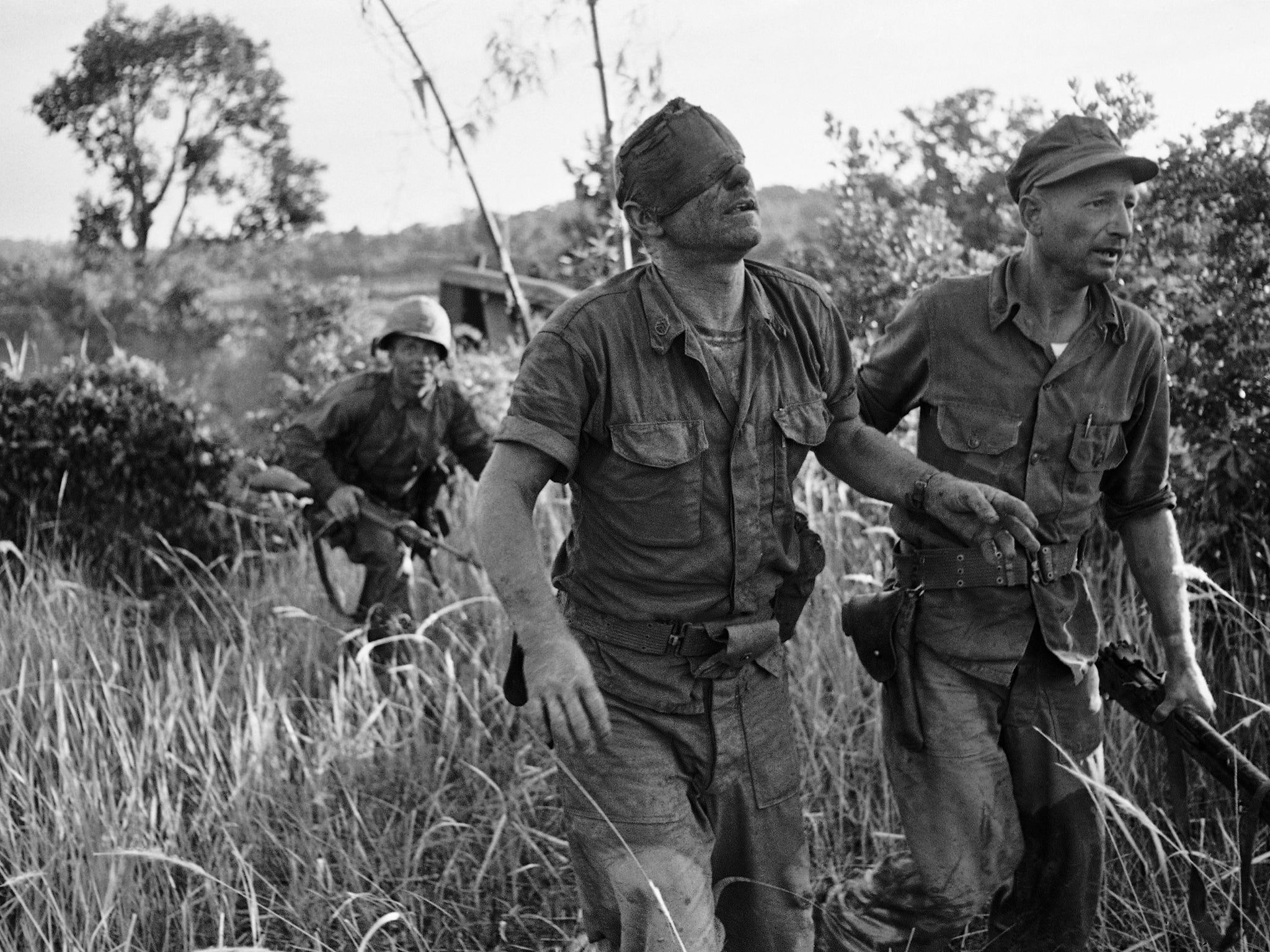

The Vietnam War, a protracted and complex conflict that spanned from 1955 to 1975, is a pivotal chapter in modern history. The war involved numerous countries, but the role of the Vietnamese people, both North and South, was central to the conflict. Understanding the involvement of the Vietnamese in the Vietnam War requires delving into the political, social, and military dimensions that shaped their experiences and the eventual outcome of the war.
The Historical Context of the Vietnam War
The origins of the Vietnam War can be traced back to the early 20th century when Vietnam was under French colonial rule. The French Indochina War (1946-1954) set the stage for the subsequent conflict, as Vietnamese nationalists, led by Ho Chi Minh and the Viet Minh, fought for independence. The Geneva Accords of 1954 temporarily divided Vietnam into North and South, with the North under communist control and the South under a pro-Western government. This division laid the groundwork for the Vietnam War, as tensions between the two sides escalated.
The Role of Vietnamese in the Vietnam War
The Vietnamese in the Vietnam War played a multifaceted role, encompassing both military and civilian aspects. The North Vietnamese, under the leadership of Ho Chi Minh and the Viet Cong, were determined to reunify Vietnam under communist rule. The South Vietnamese, supported by the United States and other Western allies, aimed to maintain an independent, non-communist state. The conflict was not just a battle between external powers but a deeply personal struggle for the Vietnamese people.
Military Strategies and Tactics
The military strategies employed by the Vietnamese in the Vietnam War were innovative and often effective against the technologically superior forces of the United States and its allies. The North Vietnamese Army (NVA) and the Viet Cong utilized guerrilla warfare tactics, which included:
- Ambushes and hit-and-run attacks
- Use of tunnels and underground networks
- Booby traps and landmines
- Camouflage and concealment
These tactics allowed the Vietnamese to exploit their knowledge of the terrain and the support of the local population. The Ho Chi Minh Trail, a vast network of paths and tunnels, was crucial for supplying North Vietnamese troops and equipment to the South. This trail, stretching through Laos and Cambodia, was a lifeline for the NVA and a constant challenge for the U.S. military.
The Impact on Civilian Life
The Vietnam War had a profound impact on civilian life in Vietnam. The conflict disrupted agricultural production, leading to widespread famine and malnutrition. Villages were often caught in the crossfire, resulting in significant civilian casualties. The use of chemical weapons, such as Agent Orange, had long-lasting environmental and health effects on the Vietnamese population. The war also led to mass displacement, with millions of people forced to flee their homes in search of safety.
Despite the hardships, the Vietnamese people demonstrated remarkable resilience. Many civilians actively supported the war effort, providing intelligence, supplies, and moral support to the fighting forces. The role of women, in particular, was significant. Women served as nurses, spies, and soldiers, contributing to the war effort in various capacities. Their bravery and dedication were instrumental in sustaining the Vietnamese resistance.
Key Battles and Turning Points
Several key battles and turning points in the Vietnam War highlighted the strategic prowess and determination of the Vietnamese in Vietnam War. Some of the most notable include:
- The Battle of Dien Bien Phu (1954): Although this battle occurred before the official start of the Vietnam War, it was a decisive victory for the Viet Minh against the French, setting the stage for the subsequent conflict.
- The Tet Offensive (1968): A massive surprise attack by the NVA and Viet Cong on numerous cities and military bases in South Vietnam. Despite heavy losses, the Tet Offensive was a psychological victory for the communists, as it undermined U.S. public support for the war.
- The Battle of Khe Sanh (1968): A prolonged siege by the NVA on a U.S. Marine base, which ended in a stalemate but further eroded U.S. morale.
- The Fall of Saigon (1975): The final battle of the war, resulting in the surrender of South Vietnam and the reunification of the country under communist rule.
These battles not only shaped the course of the war but also underscored the resilience and strategic acumen of the Vietnamese in Vietnam War.
The Legacy of the Vietnam War
The legacy of the Vietnam War is complex and multifaceted. For the Vietnamese people, the war brought about significant changes, including the reunification of the country under a single government. However, the war also left deep scars, both physical and psychological. The environmental damage caused by chemical weapons and unexploded ordnance continues to affect the Vietnamese population to this day.
The war also had a profound impact on international relations. The defeat of the United States and its allies marked a turning point in global politics, signaling the end of the Cold War era and the rise of new geopolitical dynamics. The Vietnam War served as a cautionary tale for future military interventions, highlighting the importance of understanding local contexts and the limitations of foreign intervention.
The Vietnamese in Vietnam War also left a lasting impact on the cultural and social fabric of the country. The war inspired a wave of literature, art, and film that explored the themes of sacrifice, resilience, and national identity. These cultural expressions have helped to preserve the memory of the war and its lessons for future generations.
The Vietnamese in Vietnam War also left a lasting impact on the cultural and social fabric of the country. The war inspired a wave of literature, art, and film that explored the themes of sacrifice, resilience, and national identity. These cultural expressions have helped to preserve the memory of the war and its lessons for future generations.
In the aftermath of the war, Vietnam has undergone significant economic and social reforms, transitioning from a centrally planned economy to a market-oriented one. The country has made remarkable progress in poverty reduction, education, and healthcare, emerging as a dynamic and resilient nation on the global stage.
However, the legacy of the Vietnam War continues to shape contemporary Vietnam. The country faces ongoing challenges related to environmental degradation, social inequality, and political repression. The memories of the war serve as a reminder of the sacrifices made by the Vietnamese people and the importance of peace and stability.
In conclusion, the role of the Vietnamese in the Vietnam War was pivotal in shaping the conflict and its outcomes. From the strategic brilliance of their military tactics to the resilience and determination of their civilian population, the Vietnamese people demonstrated an unyielding spirit that ultimately led to the reunification of their country. The war’s legacy continues to influence Vietnam’s development and serves as a reminder of the complexities and consequences of armed conflict. The stories of the Vietnamese in the Vietnam War are a testament to the human capacity for endurance and the enduring quest for freedom and self-determination.
Related Terms:
- vietnamese war date
- vietnam war
- when did vietnam war start
- vietnamese war timeline
- vietnamese war facts
- vietnamese war movies